
Most marketing teams treat technical SEO and content SEO as two separate disciplines. The technical team handles site speed, crawlability, and schema, while the content team writes blog posts. This siloed approach is a mistake. The reality is that technical SEO vs content SEO are two sides of the same coin, and you can’t have one without the other.
According to a 2024 analysis by First Page Sage, content-based factors make up approximately 50% of a website’s ability to rank on Google, while technical factors account for about 30%.
This data makes it clear: you can’t just focus on one area. A technically perfect website with mediocre content won’t rank, and brilliant content on a slow, broken website will never be seen. This guide will break down the differences between technical and content SEO, explain why you need both, and provide a framework for how to prioritize your efforts.
What is Technical SEO?
Technical SEO refers to the process of optimizing your website’s infrastructure to help search engines find, crawl, and index your content more effectively. It’s the foundation upon which your entire SEO strategy is built. Without a solid technical foundation, even the best content will struggle to rank.
Think of your website as a house. Technical SEO is the foundation, the electrical wiring, and the plumbing. It’s not the part that visitors see, but it’s what makes the house livable. If the foundation is cracked or the plumbing is leaky, it doesn’t matter how beautiful the furniture is.
Key Components of Technical SEO
While technical SEO can get complex, it boils down to a few core components:
- Crawlability and Indexability: This is the most fundamental aspect of technical SEO. If search engines can’t find and crawl your pages, they can’t index them, and they won’t show up in search results. This involves things like your
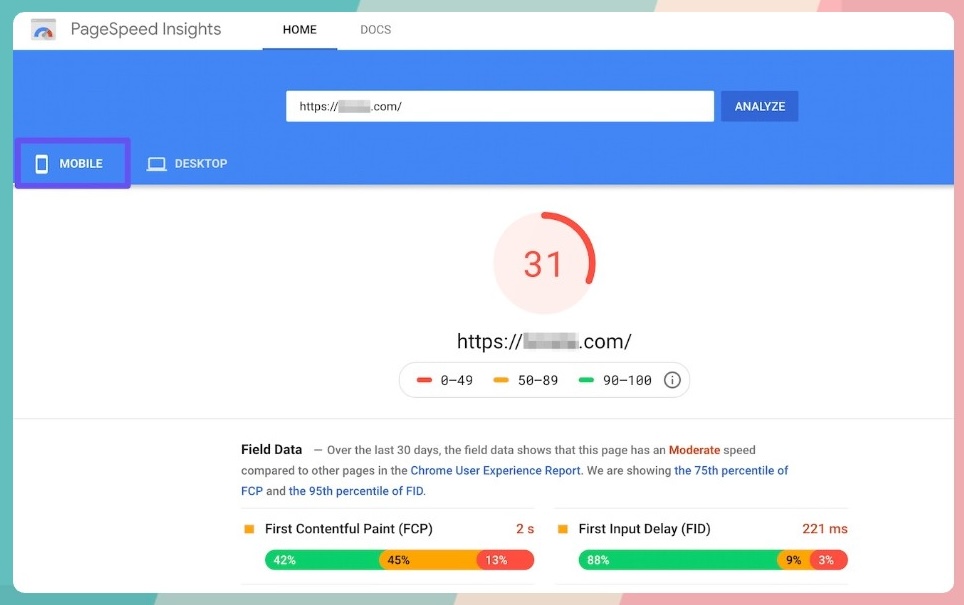
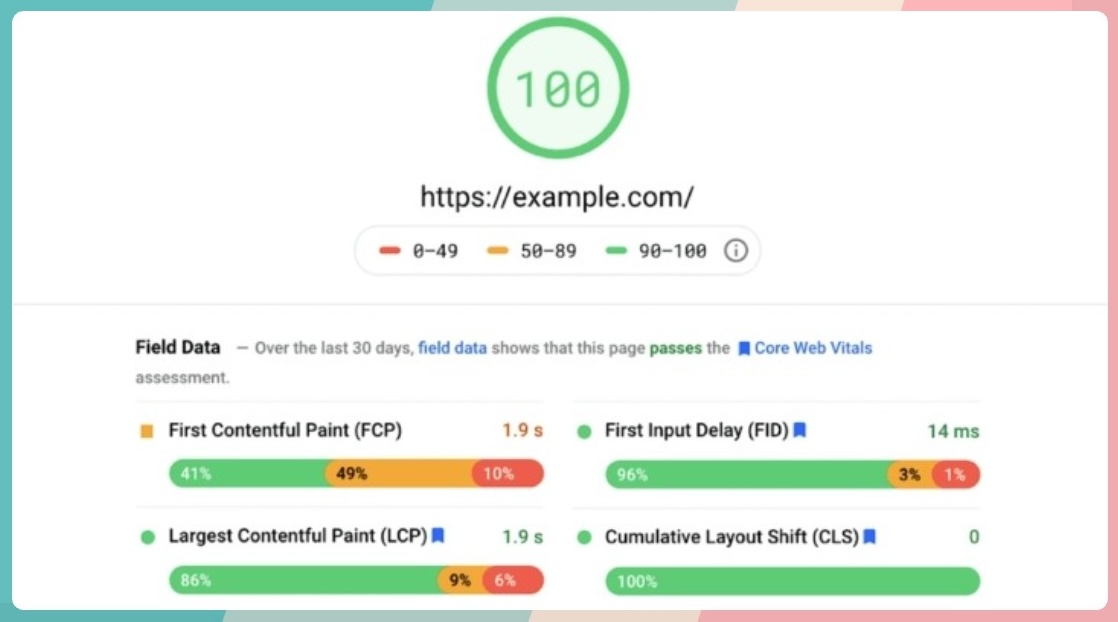
robots.txtfile, your XML sitemap, and your site architecture. It also includes more advanced concepts like canonical tags to prevent duplicate content issues, proper handling of faceted navigation, and ensuring that important pages are not orphaned (i.e., they have internal links pointing to them). - Site Speed: Page speed is a confirmed ranking factor for both desktop and mobile searches. A slow website not only frustrates users but also signals to search engines that your site provides a poor user experience. Google’s Core Web Vitals (CWV) are a set of specific metrics that Google uses to measure page experience, including loading speed (Largest Contentful Paint), interactivity (First Input Delay), and visual stability (Cumulative Layout Shift).
- Mobile-Friendliness: With Google’s move to mobile-first indexing, having a mobile-friendly website is no longer optional. Your site must be designed to provide a seamless experience on all devices, from desktops to smartphones. This means using responsive design, ensuring that tap targets are large enough for fingers, and avoiding intrusive interstitials.
- Structured Data (Schema Markup): Structured data is a standardized format for providing information about a page and classifying its content. By adding schema markup to your pages, you can help search engines understand your content better and increase your chances of getting rich snippets in the search results, such as star ratings, prices, and FAQs.
- Site Security: A secure website (HTTPS) is another confirmed ranking factor. Google wants to send its users to websites that are safe and secure, so having an SSL certificate is essential.

Core Technical SEO Checklist
robots.txt file to make sure you’re not accidentally blocking important pages from being crawled.What is Content SEO?
Content SEO is the practice of creating and optimizing high-quality, relevant content that meets the needs of your target audience and aligns with their search intent. While technical SEO builds the foundation, content SEO is what actually attracts and engages users.
Content SEO is not just about stuffing keywords into your articles. It’s about understanding what your audience is looking for and creating content that provides the best possible answer to their questions. It’s about creating content that is so good that other people want to link to it and share it.
With humanized IA content and start positioning your brand in search engines.
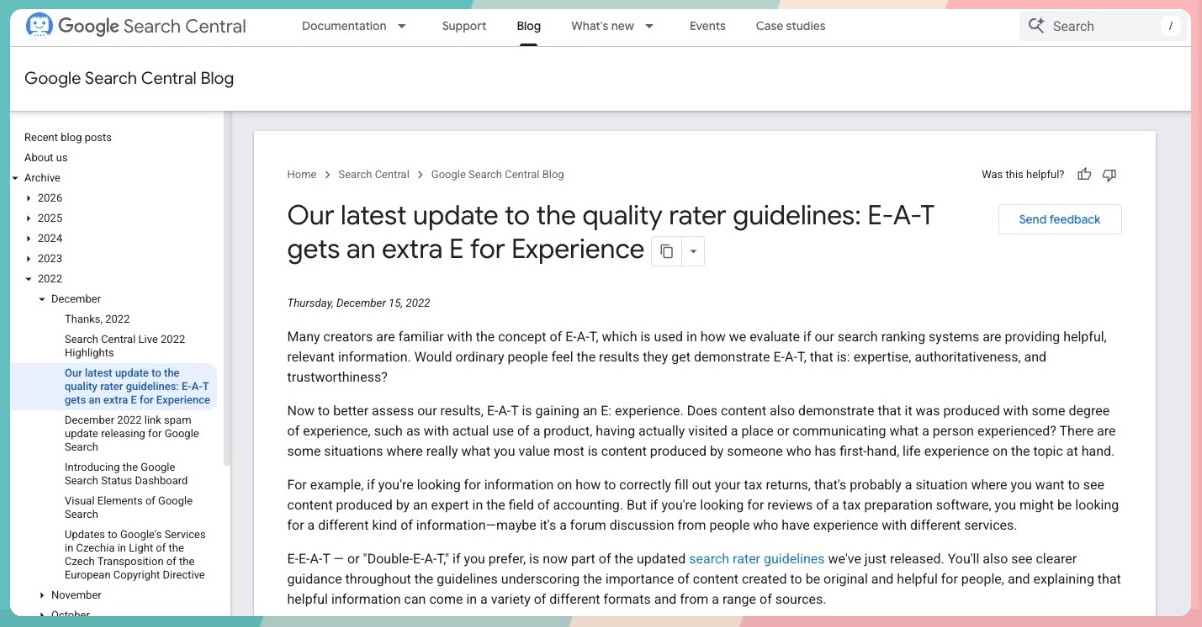
The Role of Content in SEO: E-E-A-T
Content is the primary way that you can rank for your target keywords. Every new piece of content you publish is another opportunity to rank in the search results and attract new visitors to your site. But not all content is created equal. To be effective for SEO, your content must demonstrate E-E-A-T: Experience, Expertise, Authoritativeness, and Trustworthiness.
- Experience: The content should be created by someone with first-hand experience on the topic.
- Expertise: The content should be written by a subject matter expert.
- Authoritativeness: The content should be published on a website that is a recognized authority in its industry.
- Trustworthiness: The content should be accurate, reliable, and transparent.
“The bulk of an SEO campaign in 2025 consists of content SEO—regularly publishing pages with original content that responds to search intent.”
– First Page Sage
Content SEO vs. Content Marketing
It’s important to distinguish between content SEO and content marketing. While they are closely related, they are not the same thing. Content Marketing is a broad marketing strategy that involves creating and distributing valuable, relevant, and consistent content to attract and retain a clearly defined audience — and, ultimately, to drive profitable customer action.
Content SEO, on the other hand, is a subset of content marketing that is specifically focused on creating content that will rank in the search engines.
All content SEO is content marketing, but not all content marketing is content SEO. For example, a viral video or a social media campaign might be great for content marketing, but if it doesn’t target any specific keywords, it’s not content SEO.
Understanding this distinction is key to building a strategy that serves both goals simultaneously — which is exactly what the best AI content strategies are designed to do.
Technical SEO vs Content SEO: A Head-to-Head Comparison
To make the differences even clearer, here’s a side-by-side comparison of technical SEO and content SEO:
| Feature | Technical SEO | Content SEO |
|---|---|---|
| Primary Goal | Improve crawlability, indexability, and site performance. | Attract and engage users with high-quality, relevant content. |
| Key Activities | Site audits, XML sitemaps, robots.txt, schema markup, site speed optimization. | Keyword research, content creation, on-page optimization, link building. |
| Who’s Responsible | Web developers, technical SEO specialists. | Content writers, content strategists, SEO managers. |
| Impact on Rankings | Foundational. Poor technical SEO can prevent you from ranking at all. | Direct. High-quality content is the primary driver of rankings. |
| Measurement | Core Web Vitals, crawl errors, indexation rate. | Organic traffic, keyword rankings, bounce rate, time on page. |
How to Prioritize Technical SEO vs Content SEO
So, which one should you focus on first? The answer is: it depends on where you are in your SEO journey. A brand new website with no content needs both at the same time. An established site that’s seen a sudden drop in rankings probably has a technical issue. A site with solid traffic that’s plateaued likely needs more content depth and topical authority.
Here’s a practical framework for how to sequence your efforts:
- Start with a Technical SEO Audit: Before you invest in content creation, you need to make sure your house is in order. A technical SEO audit will identify any issues that could be holding your site back. You can use tools like Google Search Console, Screaming Frog, and Ahrefs to conduct an audit, or you can hire a technical SEO specialist to do it for you.
- Fix Critical Technical Issues: Once you have the results of your audit, prioritize fixing any critical issues that are preventing your site from being crawled and indexed properly. This includes things like
noindextags on important pages, a misconfiguredrobots.txtfile, or a complete lack of an XML sitemap. - Build a Solid Content Foundation with the Hub and Spoke Model: Once your technical foundation is solid, it’s time to start building out your content. A great way to do this is with the Hub and Spoke model. In this model, you create a central “hub” page that provides a broad overview of a topic, and then you create multiple “spoke” pages that dive deeper into specific subtopics. This helps you build topical authority and makes it easier for users and search engines to navigate your site.
- Integrate Content and Technical SEO: The most successful SEO strategies are the ones that integrate content and technical SEO. This means that your content team and your technical team need to be working together. For example, when you publish a new piece of content, your technical team should make sure that it’s properly optimized for speed, that it has the correct schema markup, and that it’s included in your XML sitemap.
When to Prioritize Technical SEO vs. Content SEO
Prioritize Technical SEO when: You’re launching a new website, you’ve just completed a site migration, or you’re seeing a high number of crawl errors in Google Search Console.
Prioritize Content SEO when: Your technical foundation is solid, you have a clear understanding of your target audience and their search intent, and you’re ready to start building topical authority.
The Synergy Between Technical and Content SEO
The most important thing to understand about technical SEO vs content SEO is that they don’t operate in isolation. Every technical decision affects content performance, and every content decision has technical implications. Here are a few concrete examples of how they work together:
Site speed directly affects user engagement. A page that takes more than three seconds to load loses roughly half its visitors before they’ve read a single word. That’s not a content problem — it’s a technical one. But the consequence is felt entirely in content metrics: higher bounce rate, lower time on page, fewer conversions. Fix the speed, and the content suddenly performs better without changing a word.
Structured data, on the other hand, is a technical implementation that changes how your content appears in search results. Adding FAQ schema to a well-written article can earn you a rich snippet that doubles your click-through rate. The content didn’t change. The technical layer around it did.
Internal linking sits at the intersection of both disciplines. A strong internal linking structure — which is a technical SEO concern — is also the mechanism by which you build topical authority through content.
When you link from a broad hub article to a series of in-depth spoke articles, you’re simultaneously helping search engines understand your site architecture and signaling to Google that you’re a serious resource on that topic. This is why using AI for SEO effectively requires thinking about both layers at once.
Common Mistakes to Avoid
Most companies that struggle with SEO are making one of three mistakes. The first is focusing on one discipline and ignoring the other entirely. It’s surprisingly common to find companies that have invested heavily in content — hundreds of articles, a full editorial calendar — but whose sites have critical crawlability issues that prevent most of that content from being indexed. The content investment is wasted until the technical foundation is fixed.
The second mistake is having siloed teams. When the technical team and the content team don’t communicate, you end up with situations like a developer implementing a noindex tag on a staging environment and forgetting to remove it before launch, or a content team publishing hundreds of thin pages that create duplicate content issues. These are preventable problems that require cross-functional communication to avoid.
The third mistake is treating SEO as a one-time project rather than an ongoing process. Technical issues accumulate over time as sites grow and change. Content that ranked well two years ago may have been overtaken by more comprehensive competitors. Regular audits — both technical and content — are not optional for sites that want to maintain and grow their organic visibility.
Measuring Success: Key Metrics for Technical and Content SEO
To understand if your efforts are paying off, you need to track the right metrics. The mistake most teams make is measuring everything in the same dashboard without distinguishing between technical and content signals. Here’s how to separate them:
Technical SEO Metrics
- Crawl Errors: This report in Google Search Console will show you any issues that Googlebot is having when crawling your site.
- Core Web Vitals: This report will show you how your pages are performing on the three Core Web Vitals metrics.
- Indexation Rate: This is the percentage of pages on your site that are indexed by Google. You can find this information in the Coverage report in Google Search Console.
- Site Speed: You can use tools like Google PageSpeed Insights and GTmetrix to test your site speed.
Content SEO Metrics
- Organic Traffic: This is the number of visitors who come to your site from organic search results.
- Keyword Rankings: This is where your pages rank in the search results for your target keywords.
- Bounce Rate: This is the percentage of visitors who leave your site after viewing only one page.
- Time on Page: This is the average amount of time that visitors spend on a particular page.
- Conversion Rate: This is the percentage of visitors who take a desired action, such as filling out a form or making a purchase.
The Future of SEO: Where Technical and Content Converge
The lines between technical and content SEO are becoming increasingly blurred. AI is already reshaping both disciplines simultaneously. On the technical side, AI tools can now automate site audits, identify crawl issues at scale, and generate schema markup automatically. On the content side, AI content creation tools are accelerating production without necessarily sacrificing quality — when used correctly.
Voice search is changing the content equation. Voice queries are longer, more conversational, and more question-based than text searches. This means content needs to be written in a way that answers specific questions directly and concisely — which also happens to align with how Google’s featured snippets work. Technical implementation (structured data, page speed on mobile) and content strategy (question-based headings, concise answers) are both required to capture this traffic.
Visual search is an emerging opportunity that sits squarely at the intersection of technical and content SEO. Optimizing images for Google Lens requires both technical work (proper file naming, alt text, structured data for images) and content strategy (ensuring images are contextually relevant and genuinely informative). The companies that figure out how to integrate visual search into their broader SEO strategy early will have a significant advantage.
The Final Verdict: You Need Both
The debate over technical SEO vs content SEO is a false dichotomy. You can’t have a successful SEO strategy without both. Technical SEO is the infrastructure that allows your content to be discovered, and content SEO is what gives people a reason to stay, engage, and convert.
The most effective approach is to stop thinking of them as separate disciplines and start thinking of them as two layers of the same strategy. Build a solid technical foundation, then invest in high-quality content that demonstrates E-E-A-T and targets the right keywords.
Measure both layers separately, communicate across teams, and audit regularly. That’s the formula — and it’s not complicated, but it does require consistent execution.
If you’re not sure where to start, begin with a technical audit. You can’t build on a broken foundation. Once the technical issues are resolved, the content work you do will actually produce results. Learn more about how content marketing and AI work together to build a strategy that covers both bases.

0 Comments