
Most companies treat technical content as a necessary evil—a cost center dedicated to user manuals and API documentation designed to keep support tickets down. This view is not just outdated; it’s a strategic error. Technical content isn’t a defensive measure. It’s a commercial tool for proving your product’s value to an audience that is immune to traditional marketing.
According to a 2023 report by Isoline Communications, 85% of IT decision-makers state that technical content is either “important” or “very important” when making a purchasing decision.
Yet, very few B2B companies produce it effectively. The difference between technical content that converts and technical content that collects dust lies in its ability to bridge the gap between a product’s features and a customer’s real-world problems.
This guide breaks down what technical content actually is, why it demands a different approach from standard marketing content, and how to build a strategy around it that drives business results.
85% of IT decision-makers state that technical content is either “important” or “very important” when making a purchasing decision.
What Is Technical Content, Really?
Technical content is any form of content that explains a complex product, service, or methodology to a specific audience. Its primary goal is to educate, inform, and empower the user to solve a problem. Unlike marketing content, which often focuses on persuasion and emotional appeal, technical content prioritizes clarity, accuracy, and utility.
“Technical content is the essential link between complex products and successful user adoption. When that link fails to deliver clear instructions, support costs rise, user frustration escalates, and product value diminishes. That’s why technical content writing isn’t just about creating help documentation or instruction manuals — it’s about building a critical component of the customer experience.”
— Heretto, How to Write Tech Content for Customer Success
This means that while a marketing blog post might tell a story about how a product can change your business, a technical white paper will show you, step-by-step, how to implement that change and measure the results.
The Difference: Technical Content vs. Marketing Content
The line between technical and marketing content is often blurred, but the distinction is critical for building an effective strategy. Here’s a breakdown of the key differences:
| Characteristic | Technical Content | Marketing Content |
|---|---|---|
| Primary Goal | Educate and empower the user to act. | Persuade the prospect to convert. |
| Audience | Users, developers, engineers, decision-makers. | Prospects, leads, general customers. |
| Tone | Objective, informative, precise, and authoritative. | Subjective, emotional, persuasive, and aspirational. |
| Focus | How the product works and solves a specific problem. | Why the product matters and the benefits it offers. |
| Metrics | User success, reduced support tickets, product adoption. | Leads, conversions, sales, brand awareness. |
While their goals are different, the most effective content strategies integrate both. A technical white paper can be a powerful lead generation asset, and a well-written blog post can drive qualified traffic to your in-depth documentation.
With humanized IA content and start positioning your brand in search engines.
The Main Types of Technical Content (and Their Purpose)
A robust technical content strategy uses a mix of formats to guide users through the entire customer journey. Each serves a different purpose and a different audience segment.
- API Documentation: The single source of truth for developers. It provides detailed information on how to use your API, including endpoints, parameters, authentication, and code samples. Good API docs accelerate integration and reduce developer friction.
- Knowledge Bases & Help Centers: These are online libraries of articles, tutorials, and FAQs. They empower users to solve problems independently, reducing the load on support teams and improving customer satisfaction.
- User Manuals & Guides: The traditional format for comprehensive instructions. While often seen as post-purchase material, detailed user guides can be a pre-sale asset for complex products, showing prospects the depth of your solution.
- White Papers & E-books: Long-form, research-heavy assets that provide a deep dive into a particular industry problem or technology. They are primarily used to generate leads and establish thought leadership.
- Case Studies: Real-world stories of how specific customers used your product to solve a problem and achieve a measurable result. They provide powerful social proof for bottom-of-the-funnel prospects.
- Tutorials & How-To Guides: Step-by-step instructions on how to perform a specific task. They can be in the form of blog posts, videos, or interactive demos and are excellent for attracting organic traffic.
- Release Notes: Updates that inform users about new features, bug fixes, and other changes to your product. Clear release notes are crucial for user retention and managing expectations.
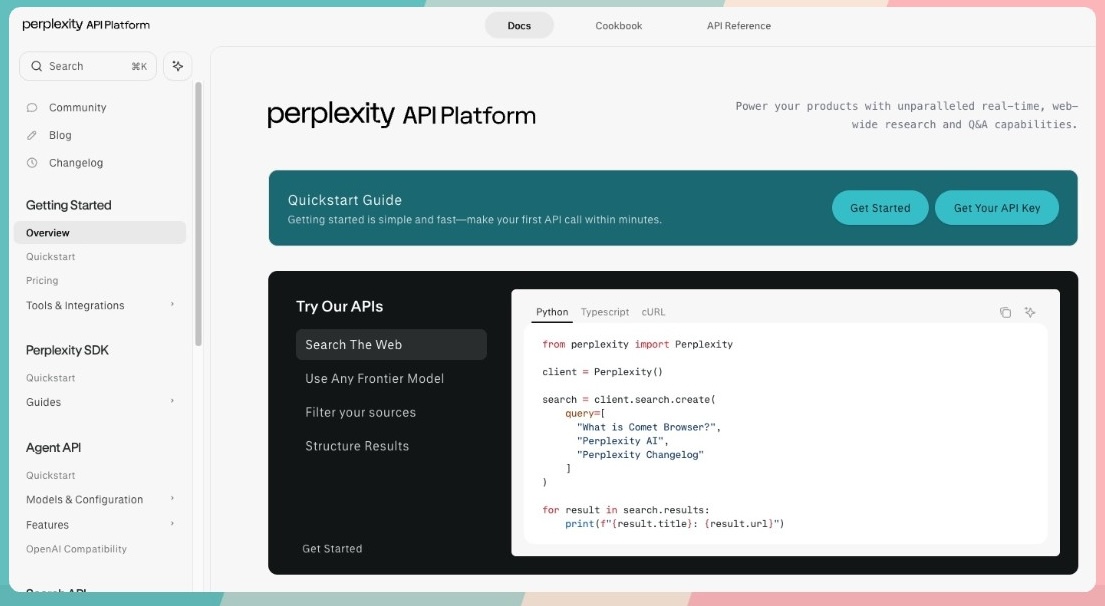

Key Takeaways: The Role of Each Content Type
API Docs & Guides: Enable developers and technical users.
Knowledge Bases & Tutorials: Empower users to self-serve and solve problems.
White Papers & Case Studies: Build authority and generate qualified leads.
The ROI of Technical Content: Why It’s a Revenue Driver, Not a Cost Center
Shifting the perception of technical content from a cost center to a revenue driver requires understanding its direct impact on the bottom line. The ROI is not always as direct as a marketing campaign, but it is substantial and multifaceted.
Reduced Customer Acquisition Cost (CAC)
High-quality technical content, such as tutorials and deep-dive blog posts, attracts a highly qualified organic audience. These prospects are actively searching for solutions, which means they have a higher conversion potential and a lower acquisition cost compared to paid channels.
Increased Customer Lifetime Value (LTV)
Effective documentation and knowledge bases empower users to get more value from your product. This leads to higher product adoption, lower churn rates, and increased LTV. A customer who can self-serve and master your product is a customer who will stay.
Lower Support Costs
This is the most direct and measurable ROI. A comprehensive knowledge base that answers common questions and resolves frequent issues deflects a significant volume of support tickets. A well-maintained knowledge base can reduce support costs by up to 50%.
Sales Enablement
Your sales team can use technical content like white papers and case studies to educate prospects and overcome objections during the sales process. This shortens the sales cycle and improves win rates.
The Core Skills of a Great Technical Writer
Creating effective technical content requires a unique blend of skills that goes far beyond simply being a good writer. The best technical writers are a hybrid of engineer, marketer, and teacher. Here are the core skills to look for:
- Technical Aptitude: A technical writer doesn’t need to be a senior developer, but they must have a strong capacity to understand complex technologies. They need to be able to learn quickly, grasp abstract concepts, and translate them into clear, concise language.
- Audience Empathy: A great technical writer understands that they are not the audience. They can put themselves in the user’s shoes—whether that user is a novice or an expert—and create content that meets their specific needs and knowledge level.
- Clarity and Conciseness: Technical subjects are already complex. The writer’s job is to simplify, not to add more complexity. This means using plain language, active voice, and short sentences to make the content as easy to understand as possible.
- Research and Interviewing: The necessary information is often locked in the heads of subject matter experts (SMEs) like engineers and product managers. A skilled technical writer knows how to ask the right questions, listen actively, and extract the precise details needed to create accurate content.
- Structural Thinking: Technical content must be logically organized and easy to navigate. This requires an ability to structure information hierarchically, using headings, lists, and tables to guide the reader.
How to Build an Effective Technical Content Strategy
Great technical content doesn’t happen by accident. It’s the result of a deliberate strategy that aligns with your business goals. Here is a practical framework for building one.
Define Your Goals and Audience
What business objective is the content meant to achieve? Who, specifically, are you trying to reach? Clear answers here will focus your entire effort.
Conduct a Content Audit
Review your existing technical content. Identify what’s working, what’s outdated, and where the gaps are. Use tools like Google Analytics and your support ticket system to find data on which articles are most viewed.
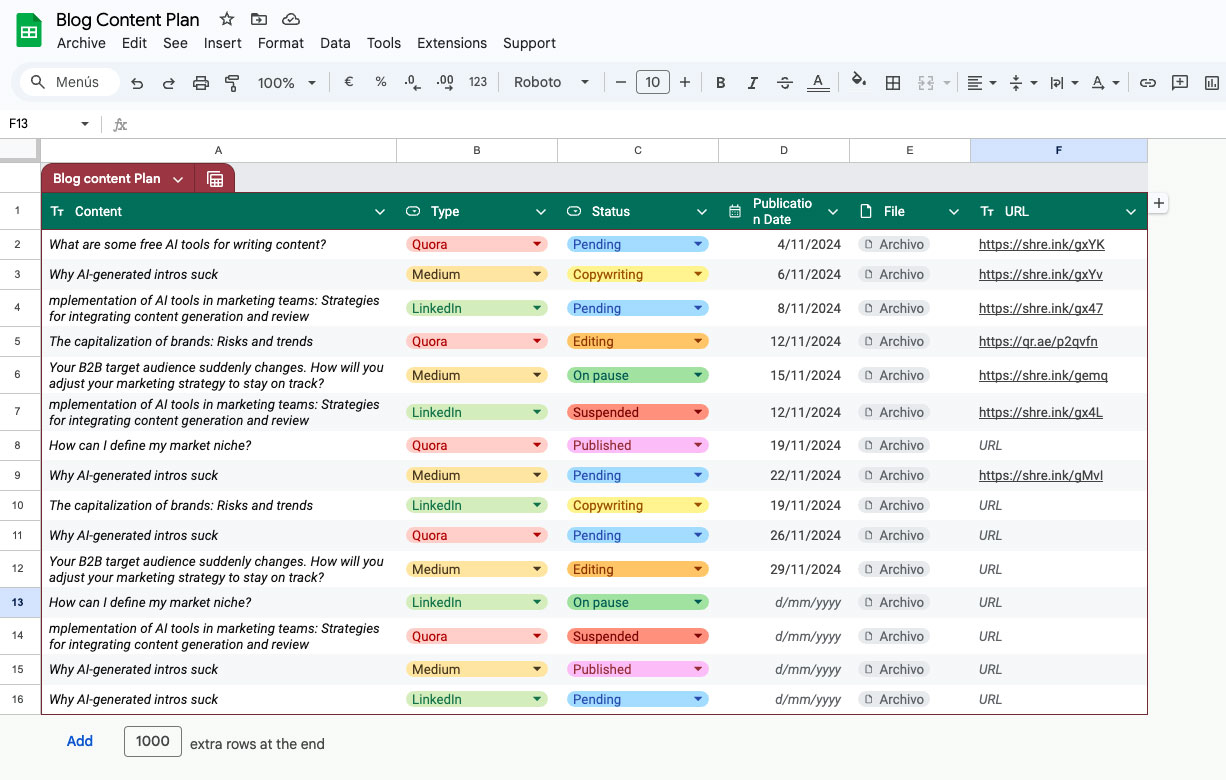
Develop a Content Plan and Calendar
Based on your goals and audit, create a plan. What content formats will you prioritize? Who is responsible for writing, reviewing, and publishing?
Establish a Style Guide
A technical style guide ensures consistency in terminology, tone, and formatting across all your content.
Create and Publish Your Content
Ensure your writers have access to SMEs and the resources they need. Use a collaborative workflow for drafting, reviewing, and approving content.
Measure and Optimize
Track the performance of your content against the goals you defined in step one. Use metrics like page views, time on page, and support ticket volume to continuously improve.
“A solid content strategy flips the script, making docs easier to create, reuse, and worth reading. Most tech docs fail not because writers can’t write, but because the documentation process actually sucks.”
— Document360, How to Build an Effective Technical Content Strategy
How to Write a Good Technical Article: A Mini-Checklist
Beyond the high-level strategy, what does it take to write a single, high-quality piece of technical content? Here is a practical checklist to follow:
- Start with the “Why”: Before you write a single word, be able to articulate why this piece of content needs to exist. What problem does it solve for the reader?
- Create a Detailed Outline: A good outline is the blueprint for a good article. It should include your main headings, subheadings, key points, and any data or examples you plan to include.
- Write for a Specific Person: Don’t write for a generic “audience.” Write for a single person. Give them a name, a job title, and a specific problem they are trying to solve.
- Show, Don’t Just Tell: Instead of just telling your reader that your product is easy to use, show them with screenshots, code snippets, and step-by-step instructions.
- Use Analogies and Metaphors: Complex technical concepts can be difficult to understand. Use analogies and metaphors to relate them to something the reader already knows.
- Get Feedback from a Non-Expert: Before you publish, get feedback from someone who is not a technical expert in the subject matter. If they can understand it, you’re on the right track.
Common Mistakes to Avoid in Technical Content
Even with a solid strategy, it’s easy to fall into common traps. Here are some of the most frequent mistakes to avoid:
- Assuming Prior Knowledge: Never assume your reader knows what you know. Define technical terms, explain acronyms, and provide context.
- Focusing on Features, Not Solutions: Users don’t care about your product’s features; they care about what those features can do for them. Frame your content around solving real-world problems.
- Inconsistent Terminology: Using different terms for the same feature across your documentation is a recipe for confusion. A technical style guide is essential for maintaining consistency.
- Neglecting SEO: Technical content is a powerful SEO asset. Don’t let it go to waste by neglecting keyword research and on-page optimization.
- Letting Content Go Stale: Products evolve, and so should your documentation. Implement a regular review process to keep your content fresh and accurate.
The Future of Technical Content: AI and Automation
The creation and management of technical content are being transformed by artificial intelligence and automation. These technologies are not replacing technical writers, but they are changing the nature of their work and creating new opportunities.
Let’s start with what AI actually does well in this context: it removes the grunt work. First drafts, summaries, content gap analysis — these are tasks that used to eat hours of a technical writer’s week. With the right AI tools in place, writers spend less time staring at a blank page and more time doing the things that require human judgment: interviewing engineers, validating accuracy, and building a content strategy that actually maps to how users think.
Beyond drafting, AI can audit your entire content library in minutes. It flags outdated articles, broken links, and terminology inconsistencies that would take a human editor days to catch manually. This is particularly valuable for companies with large documentation sets that have grown organically over years.
On the user-facing side, AI-powered chatbots connected to your knowledge base can answer questions instantly, at any hour, without routing users through a support queue. The result is a better experience for the user and a lower ticket volume for your team.
The more interesting shift, though, is personalization. AI can now surface the right content to the right user based on their role, their experience level, and how they’ve interacted with your product before. A junior developer and a VP of Engineering reading the same documentation page can see different levels of detail, different examples, different next steps.
And beyond text entirely: the direction technical content is heading is interactive. Think embedded code editors, live demos, and guided learning paths where users don’t just read about how something works — they try it, break it, and fix it in a sandboxed environment. That’s where the real adoption happens.
Checklist: Building Your Technical Content Strategy
Goals: Have you defined clear, measurable business objectives for your content?
Audience: Have you created detailed user personas for your target readers?
Audit: Have you analyzed your existing content to find gaps and opportunities?
Plan: Do you have a content calendar with defined topics, formats, and owners?
Style Guide: Is there a central document defining tone, voice, and terminology?
Metrics: Do you have a system for tracking performance and optimizing your strategy?
Conclusion
Technical content is not a cost center; it is a revenue driver. It is the engine of product adoption, the foundation of customer success, and a powerful tool for building brand authority in a crowded market. By moving beyond the outdated view of technical content as mere documentation and embracing it as a strategic asset, you can create a competitive advantage that is difficult to replicate.

0 Comments