

For most people, the term “content marketing” brings to mind B2B companies, SaaS startups, and corporate blogs. We know, we’ve heard, and we have seen the established relationship between publishing articles and generating leads. But what happens when the product isn’t a piece of software or a service, but a person? What happens when you are the brand?
This is the reality for the modern content creator. For YouTubers, TikTokers, newsletter writers, and podcasters, content isn’t just a part of the marketing strategy; it is the business.
This guide that we offer you today provides a clear and practical framework for creators to build a powerful content marketing for creators engine that drives sustainable growth, turning followers into a thriving community and a real business.
This isn’t about random acts of content. If you’re thinking about your content mix, you can’t just post sporadically and hope for the best. For a creator, that’s not just a strategic mistake; it’s that your life depends on it. We’re moving from being a hobbyist to building an empire.
What Is Content Marketing for Creators (And What It Isn’t)
Content marketing for creators is the strategic process of planning, creating, distributing, and monetizing content to attract, engage, and retain a specific audience, with the ultimate goal of building a personal brand and a sustainable business around it. Unlike traditional B2B content marketing, where the content promotes a separate product or service, for a creator, the content and the creator’s persona are the core products.
It’s a fundamental shift in perspective. B2B and B2C companies use content to sell software, widgets, or services. Creators use content to build a brand, cultivate a community, and then monetize that relationship through various streams.
This distinction is crucial. A company can pivot its product line. A creator’s brand is intrinsically tied to their personality, expertise, and the trust they build with their audience. You aren’t selling a thing; you’re offering a perspective, a skill, or a unique form of entertainment. Your content is the vessel for that value.
The Creator Funnel: A 4-Step Framework for Content Marketing for Creators
Successful content marketing for creators isn’t a lottery; it’s a system. The most effective framework to understand this system is the Creator Funnel. It’s a model that maps the journey from a person having never heard of you to them becoming a dedicated supporter of your work. It consists of four distinct stages.
| Funnel Stage | Goal | Content Type | Key Platforms |
|---|---|---|---|
| 1. Discovery | Get Noticed | Short, Free, High-Volume | TikTok, Instagram Reels, YouTube Shorts, X |
| 2. Trust | Build Credibility | Long, Free, High-Value | YouTube, Blog/Newsletter, Podcast |
| 3. Access | Own the Audience | Gated, Exclusive | Email Newsletters, Private Communities |
| 4. Purchase | Monetize the Relationship | Paid, Premium | Courses, Ebooks, Coaching, Brand Deals |
This journey isn’t always linear. Someone might discover your paid course through a friend’s recommendation and skip the first two stages. However, understanding this framework allows you to intentionally design a content strategy that guides people from casual viewers to loyal customers.
Step 1: Discovery – How to Get Noticed in a Crowded Market
The first challenge for any creator is obscurity. The Discovery stage is about breaking through the noise. Your goal here is not to make money but to earn attention. The content for this stage must be free, short, and easily shareable.
Think of this as the top of your funnel. You’re casting a wide net on platforms designed for rapid, algorithm-driven discovery.
TikTok and Instagram Reels are your primary weapons.
Ver esta publicación en Instagram
Create 15-60 second videos that are either highly entertaining, incredibly useful, or both. Use trending audio, jump on relevant memes, and deliver a single, powerful idea per video.
YouTube Shorts work similarly, but with the added advantage of feeding into your long-form YouTube channel. A compelling Short can be a direct gateway to a 20-minute video.
For writers, experts, and thought leaders, X (Twitter) and LinkedIn are invaluable.
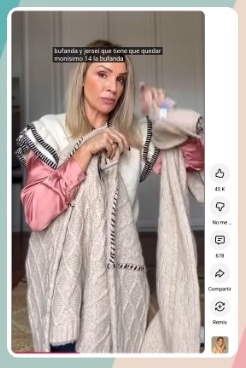
Share short, punchy threads, insightful one-liners, and quick takes on industry news. At this stage, you are playing the algorithm’s game. Post consistently, experiment relentlessly, and pay close attention to what resonates. A single viral video or thread can bring tens of thousands of new people into your world.
Step 2: Trust – Building a Loyal Audience with Long-Form Content Marketing for Creators
Once someone discovers you, the next step is to give them a reason to stay. The Trust stage is where you move from being a fleeting distraction to a credible authority. This is the heart of content marketing for creators. Here, your content becomes longer, deeper, and more valuable.
Long-form YouTube videos are the king of trust-building. A 10-30 minute video allows you to explore a topic in depth, show your process, and let your personality shine. Whether it’s a detailed tutorial, a thoughtful vlog, or an in-depth analysis, this is where you build a real connection.
For writers and educators, a blog is a powerful asset. It allows you to own your platform (unlike social media) and create content that can rank on Google, providing a steady stream of new followers over time.
An article of 2,500+ words on a key topic in your niche establishes you as an expert. Our guide on AI SEO content best practices can help you make every long-form piece count.

Podcasts are the most intimate format. Listeners feel like they have a direct line to you. A weekly podcast can build an incredibly loyal following who feels they know you personally.
The content here is still free, but it requires a higher investment of time from the consumer. In return, you are giving them substantial value, proving that you are worth their continued attention.
Step 3: Access – Turning Followers into Subscribers
Followers on social media are a vanity metric. You don’t own that audience; the platform does. The Access stage is about converting those followers into subscribers on a platform you control. The primary goal is to capture an email address.
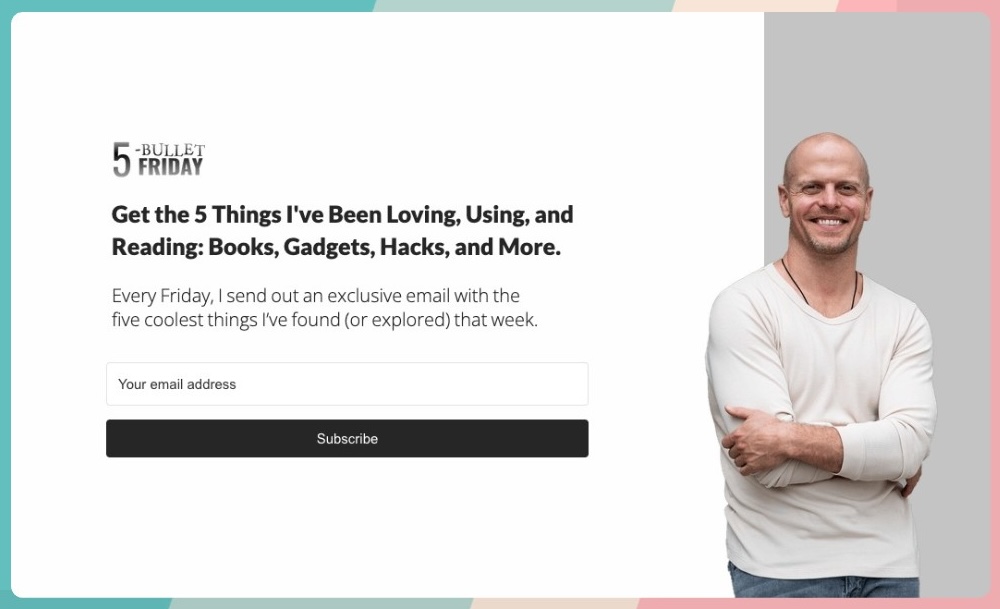
An email list is the single most valuable asset for a content creator. It’s a direct, unfiltered line of communication to your most engaged fans. You can’t be de-platformed from your own email list.
The key strategies here include offering a high-value newsletter (through Substack, Ghost, or ConvertKit) that provides exclusive content not available anywhere else.
You can also create a valuable free digital product (a short ebook, a checklist, a template) and offer it in exchange for an email address. Private communities on Discord, Circle, or Slack build a powerful sense of belonging and give you a direct channel to your superfans.
Your call-to-action in your long-form content should always point to one of these access-level offerings. This is how you build an audience you truly own.
Step 4: Purchase – Monetization Strategies for Content Marketing for Creators
This is the final stage of the funnel, where you monetize the trust and relationship you’ve built.
Relying solely on ad revenue (like YouTube AdSense) is a fragile business model. The real money is in direct monetization.
The global creator economy was valued at $205.25 billion in 2024, with projections for 2025 hitting $252 billion, but over 50% of creators earn less than $15,000 per year. The difference between the top earners and the rest is diversification.
There are four core monetization strategies:
- Brand deals and sponsorships are the largest revenue source for most creators; the key is to only partner with brands you genuinely use and believe in.
- Affiliate marketing lets you earn a commission for promoting other people’s products, without creating your own.
- Subscriptions and memberships (through Patreon, Substack paid tiers, or YouTube Channel Memberships) provide recurring income.
- And selling your own digital products (online courses, ebooks, templates, coaching) is often the most lucrative path, as you create a product once and can sell it infinitely.
Top creators don’t rely on one stream; they build a portfolio of income sources across these four categories. Our analysis of how content marketing and AI work in tandem shows exactly how this diversification can be scaled efficiently.
The Role of AI in Content Marketing for Creators
If you’re thinking about your content workflow, you cannot ignore AI. Artificial intelligence has changed content marketing for creators. It’s not a threat to your creativity; it’s a tool to amplify it. Ojo that this is not about replacing your unique voice, but about scaling your production.
For ideation and research, tools like ChatGPT or Gemini let you brainstorm video ideas, generate article outlines, and research complex topics in minutes.
But AI’s real superpower for creators is content repurposing. Take one long-form YouTube video and use AI tools to automatically transcribe the audio into a blog post, extract key clips to create a dozen Instagram Reels and TikToks, generate a series of X/Twitter threads from the main points, and write a newsletter summary of the video’s key takeaways.
Our guide on how to repurpose content using AI walks through this process in detail.
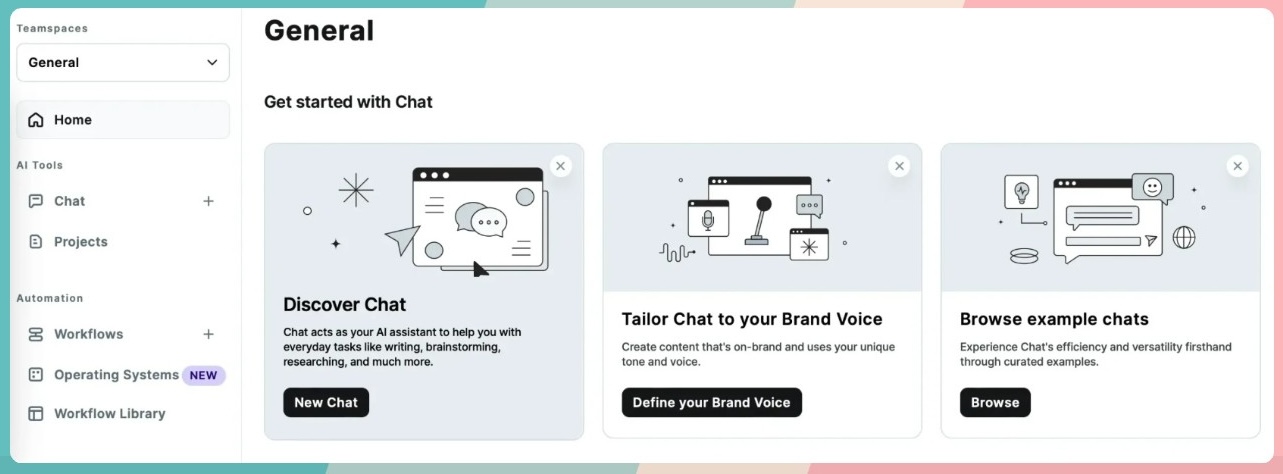
You can also use AI to create a first draft of a script or blog post, then edit it heavily, injecting your own personality, stories, and expertise. Never publish raw AI output. The combination (AI efficiency plus human expertise) allows a single creator to have the output of a small media company.
For a full overview of available tools, our roundup of the best AI tools for content creation is a good starting point.
Common Mistakes in Content Marketing for Creators (And How to Fix Them)
We’ve seen it happen over and over: creators with genuine talent and a compelling story who struggle to grow because they’re making avoidable strategic errors. If you’re thinking about your content marketing approach, these are the pitfalls you need to know about.
Posting without a strategy
The most common mistake is treating content creation as a purely creative act, disconnected from any business objective.
Every piece of content you create should have a clear purpose: is it for Discovery, Trust, Access, or Purchase? If you can’t answer that question, you’re creating noise, not content.
Building on rented land
Relying exclusively on social media platforms is a fragile strategy. Algorithms change, platforms lose popularity, and accounts get suspended. If your entire audience lives on TikTok or Instagram and those platforms disappear tomorrow, so does your business. Build your email list. Own your audience.
Monetizing too early
There’s a temptation to start selling as soon as you have a few thousand followers. Resist it. Audiences can smell desperation, and pushing products before you’ve built genuine trust will erode your credibility faster than anything else. Earn the right to sell by delivering consistent, exceptional value first.
Creating poor, generic content
In a world where AI can generate a 1,000-word article in seconds, the bar for what constitutes “good content” has risen dramatically. Thin, generic content that doesn’t offer a unique perspective, a personal story, or a data-backed insight will simply not rank, not be shared, and not build trust.
Your content must be the best available answer to the question your audience is asking.
Ignoring SEO for long-form content
Many creators understand social media algorithms but completely ignore search engine optimization for their blogs and YouTube videos. SEO is one of the most powerful long-term discovery tools available. A well-optimized article or video can bring in new followers for years after it’s published.
Our guide on how to use AI for content creation covers how to integrate SEO into your workflow from the start.
Spreading too thin across platforms
Trying to maintain a high-quality presence on six different platforms simultaneously is a path to burnout and mediocrity. Start with one or two platforms where your target audience is most active, master them, and then expand. Depth beats breadth, especially in the early stages.
Measuring Success: KPIs That Matter for Content Marketing for Creators
To treat your content like a business, you need to measure what matters. Forget vanity metrics like raw follower counts. Focus on the Key Performance Indicators (KPIs) that align with each stage of your creator funnel.
- Discovery Stage: Reach and impressions (how many unique people are seeing your content), profile visits, and follower growth rate.
- Trust Stage: Watch time and audience retention on YouTube, time on page and scroll depth for blog posts, and average listen time for podcasts.
- Access Stage: Email subscriber count, email open rate and click-through rate, and conversion rate from follower to subscriber.
- Purchase Stage: Revenue per income stream, customer lifetime value (LTV), and conversion rate from subscriber to paying customer.
To Finish
Content marketing for creators is not about going viral. It’s about building a sustainable business on the foundation of trust and value. By systematically moving people through the Creator Funnel — from Discovery to Purchase — you transform your creative passion into a durable empire.
Your content is not a byproduct of your brand; it is the brand. It is the product. And by treating it with the strategic respect it deserves, you are not just making content; you are building a future. If you want to understand how AI fits into this picture at a deeper level, our piece on AI content strategy is the logical next step.

0 Comments