

Creating an AI model for Instagram is no longer just for big brands or tech-savvy developers. With the rise of accessible AI tools, almost anyone can build a digital persona, generate stunning visuals, and automate interactions with followers. But what does it really take to bring an AI model to life on Instagram—and why are so many creators and companies jumping in?
The rise of AI models on Instagram
In the ever-evolving landscape of social media, artificial intelligence is no longer behind the scenes—it’s front and center. AI-generated models like Lil Miquela and Shudu are not just experiments; they are fully operational brand ambassadors with millions of followers and lucrative sponsorship deals.
This new wave of digital influencers blends hyperrealistic visuals with programmed personalities, offering brands full control over image, behavior, and publishing schedules. According to Business of Apps, virtual influencers can outperform human creators in engagement rates, especially when powered by high-end AI tools.
Instagram, with its visual-first design, is the perfect playground for these models. As AI becomes more accessible, creators, brands, and agencies are now exploring how to build their own AI-driven personas—not just to entertain, but to sell, connect, and automate.
What exactly is an AI model for Instagram?
An AI model for Instagram can take many forms, but at its core, it refers to a digitally created persona or system designed to generate, curate, or interact with content on the platform. These models can be visual, textual, or a combination of both.
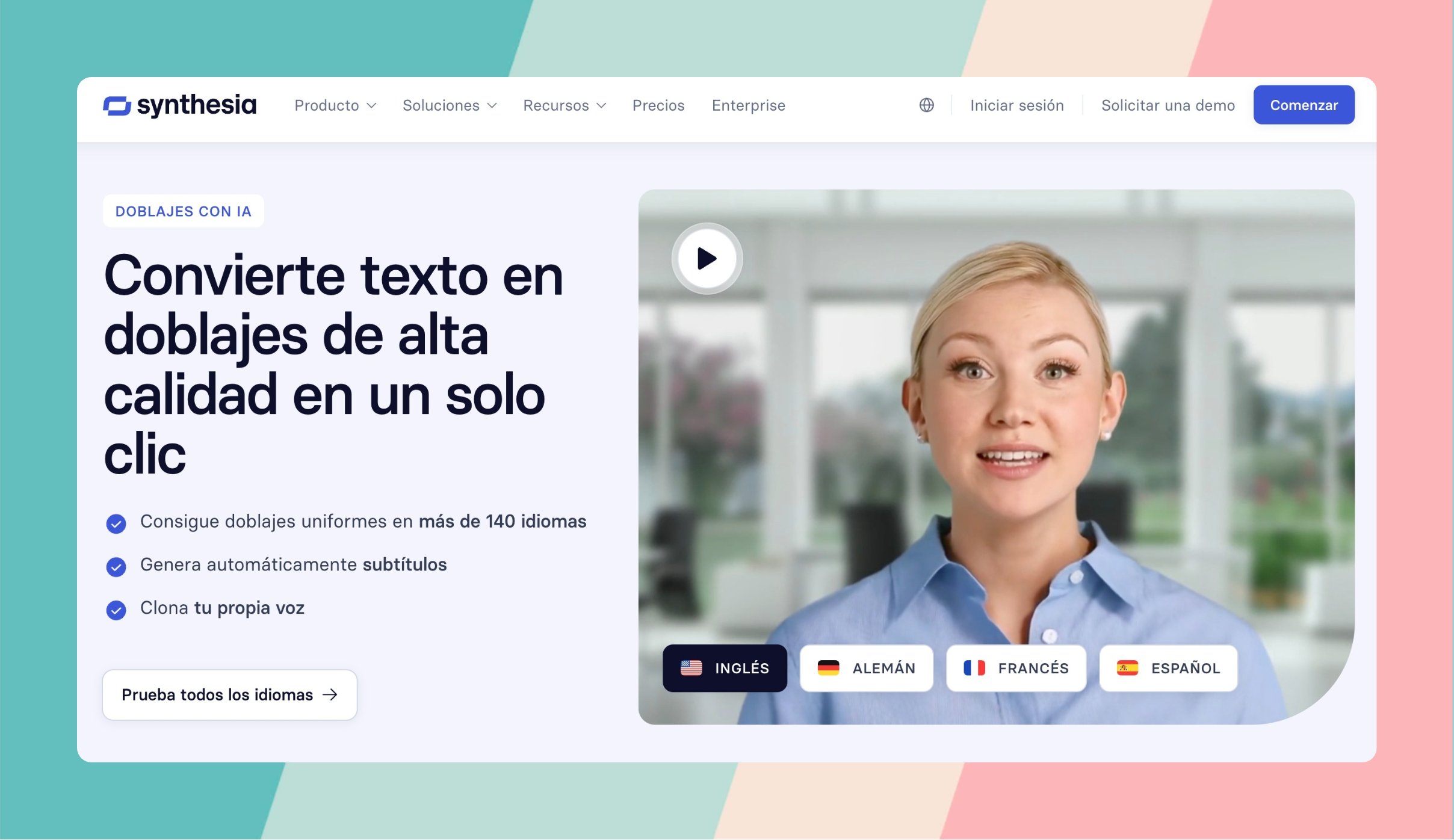
On the visual side, you’ll find hyperrealistic avatars—fully digital “humans” generated with tools like Midjourney or D-ID. These characters can be rendered in countless styles and poses, often indistinguishable from real-life influencers. Some brands go further, animating them with voice and facial expressions using platforms like Runway ML or Synthesia.
On the textual or behavioral side, AI models can automate captions, DMs, comments, and even stories. These models rely on natural language processing (NLP) engines like GPT-4 to maintain tone, brand voice, and engagement strategy.
In short, an AI model for Instagram can be:
- A virtual influencer: a fully digital character with a backstory, style, and audience.
- A content machine: an automated system for generating and scheduling posts.
- An engagement assistant: AI that responds to followers, DMs, and comments in real-time.
Understanding the kind of AI model you want to create is the first step toward building a presence that resonates, automates, and scales.
With humanized IA content and start positioning your brand in search engines.
Use cases that are reshaping Instagram marketing
An AI model on Instagram is not just an experimental novelties—they’re redefining how brands create, distribute, and optimize content. From fashion to fintech, businesses are leveraging AI to build scalable, consistent, and innovative digital strategies.
1. Virtual influencers for brand campaigns
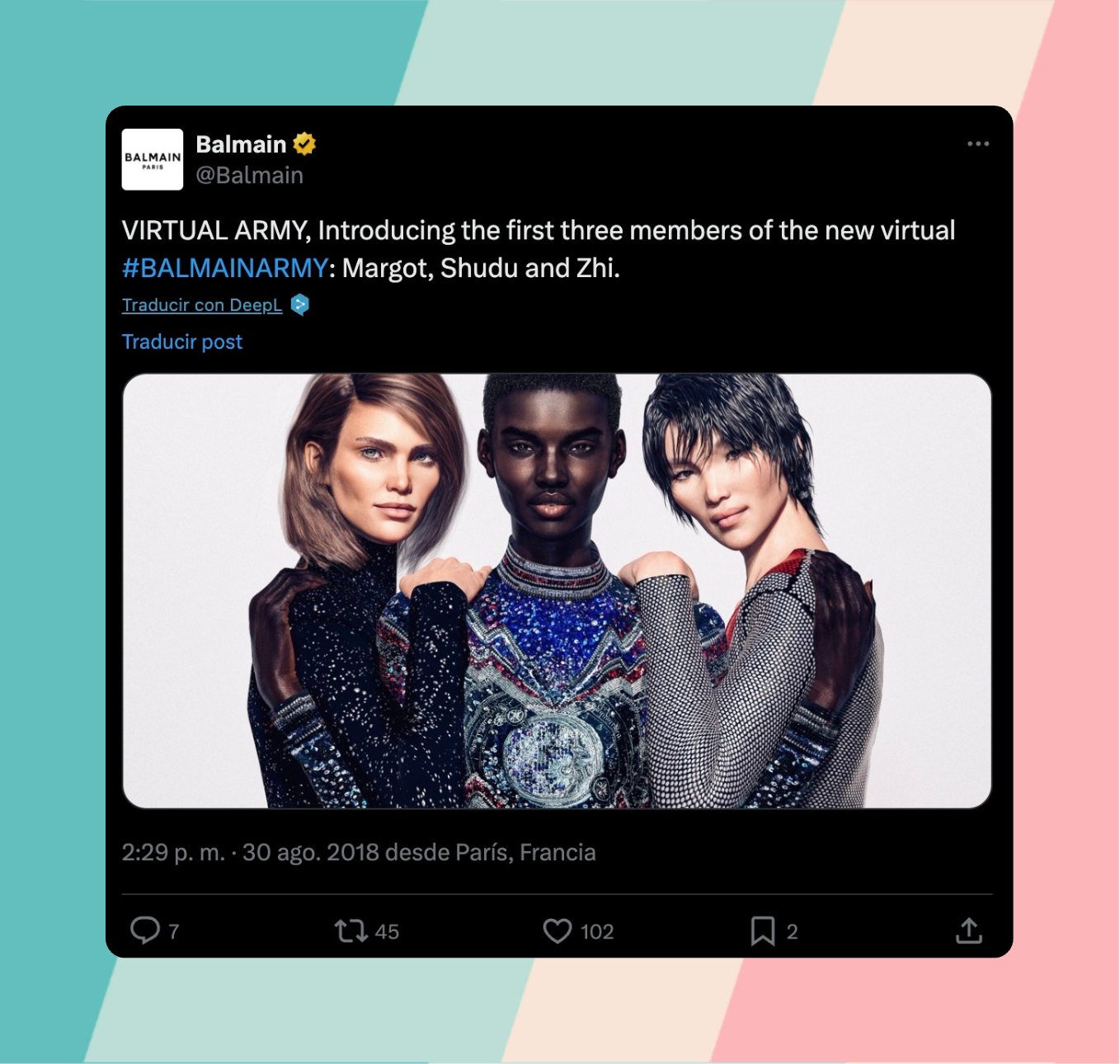
Brands like Prada and Balmain have collaborated with virtual models to front entire campaigns. These AI-generated figures offer total creative control—no scheduling conflicts, no controversies, and perfect alignment with brand aesthetics.
2. AI-generated visuals and storytelling
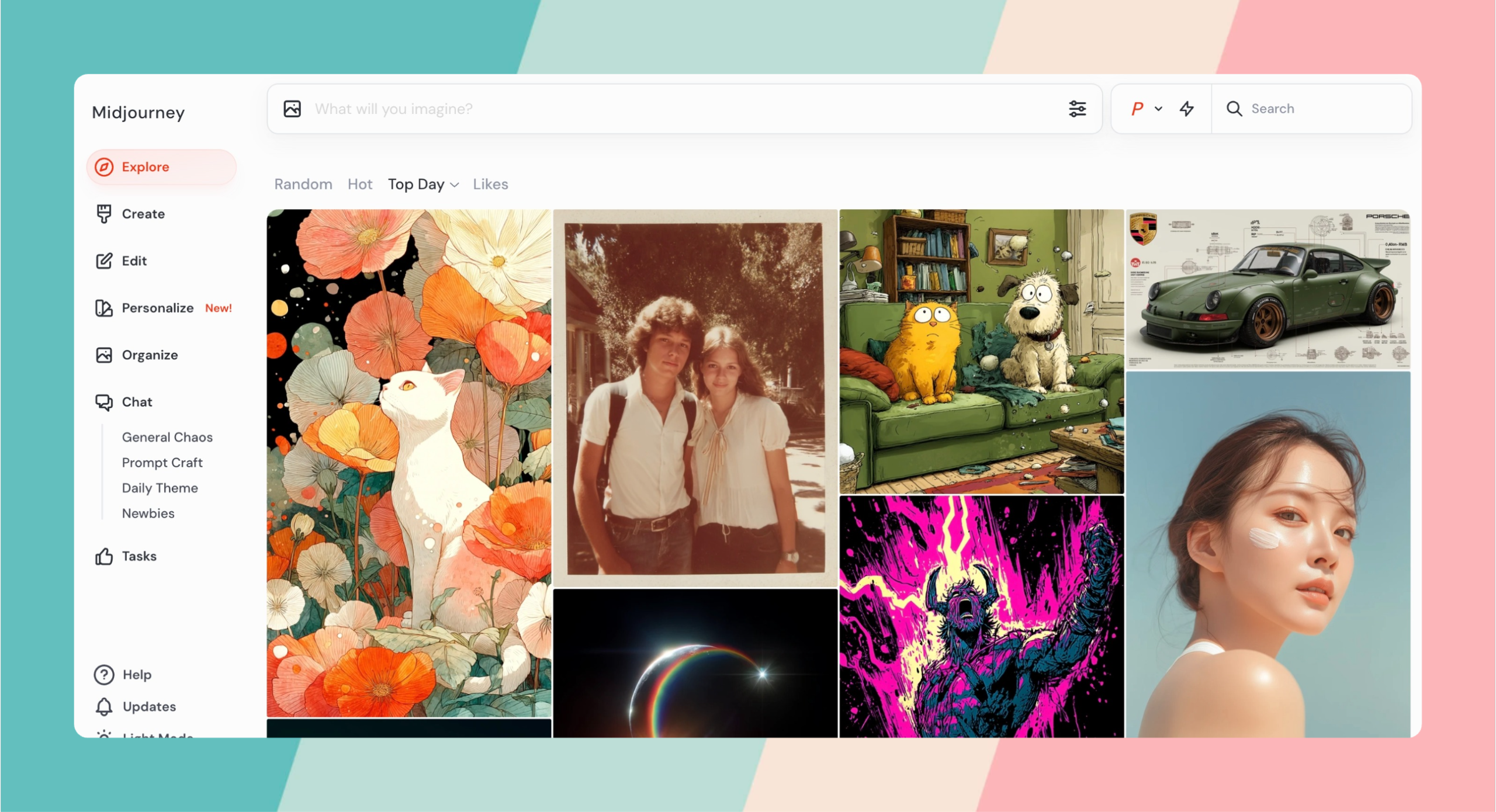
Tools like Midjourney and Runway ML are empowering creators to generate original imagery for posts, reels, and stories. With the right prompts and style guides, AI can deliver a full brand aesthetic in minutes.
3. Automated content calendars
AI models can be trained to analyze trends, suggest themes, and even write captions or generate carousel ideas. Paired with automation platforms like Make.com or Zapier, it’s possible to create entire content calendars that run themselves.
4. Engagement at scale
AI chatbots powered by large language models can handle direct messages, answer FAQs, and engage with comments—without sounding robotic. This turns every follower interaction into a potential touchpoint for conversion or loyalty.
With to the next level with our Instagram, Twitter, and LinkedIn content plans
Step-by-step: create your own AI model for Instagram
Building your own AI model for Instagram doesn’t require a PhD or a massive budget. What you need is clarity of purpose, the right tools, and a bit of experimentation. Here’s a practical roadmap to get started:
1. Define your purpose
Is your AI model meant to act as a brand ambassador, generate content, or automate interactions? Start by outlining your goal. A virtual influencer for a fashion brand will look very different from an AI assistant for a SaaS company.
2. Choose your toolkit
For visual creation, tools like Midjourney, D-ID, or Stable Diffusion can generate stunning avatars and backdrops. If you’re creating video content, consider Synthesia or Runway ML for lip-syncing and animation.
3. Build your AI persona
Design your model’s look, tone of voice, and personality. This can be as simple as crafting a prompt library or as complex as training a custom LLM or vision model. Many creators use a combination of AI-generated imagery + GPT-based text generation for captions and storytelling.
4. Automate content creation
Use platforms like Make.com, Zapier, or Notion AI to automate your publishing process. You can schedule posts, generate captions dynamically, and even adjust messaging based on engagement data.
5. Test, learn, and iterate
No AI model is perfect out of the box. Run small experiments, analyze performance, and tweak your prompts, image styles, or voice. The goal is to find a balance between automation and brand authenticity.
Best tools to create AI content for Instagram in 2025
The ecosystem of AI tools for content creation has exploded, but not all platforms are created equal. Below is a curated selection of tools that balance ease of use, output quality, and scalability—ideal for creators, marketers, and brands.
1. Midjourney
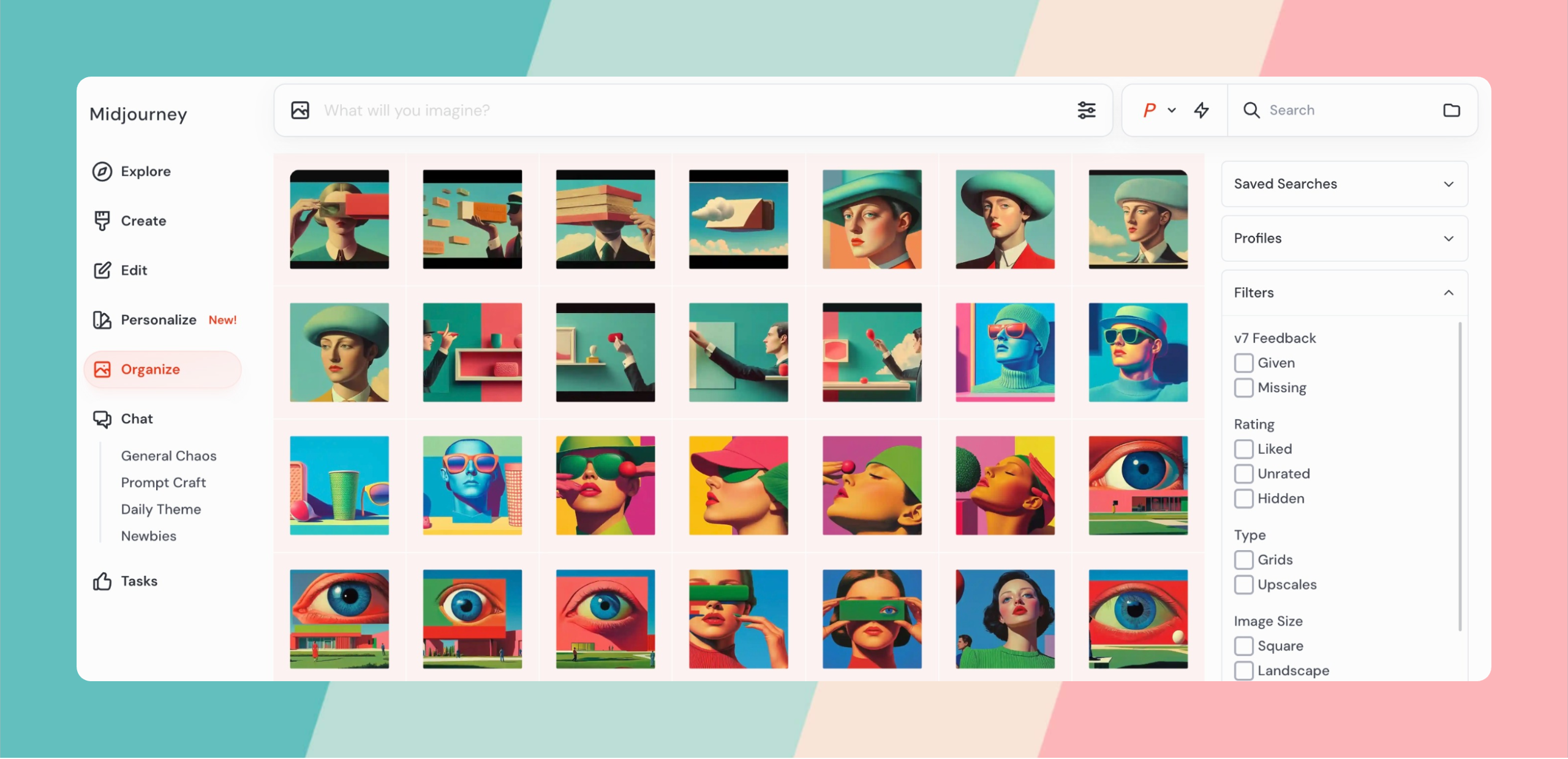
A leading AI image generator, Midjourney is ideal for stylized visuals and fashion-forward aesthetics. Great for creating avatars, product visuals, or editorial-style posts.
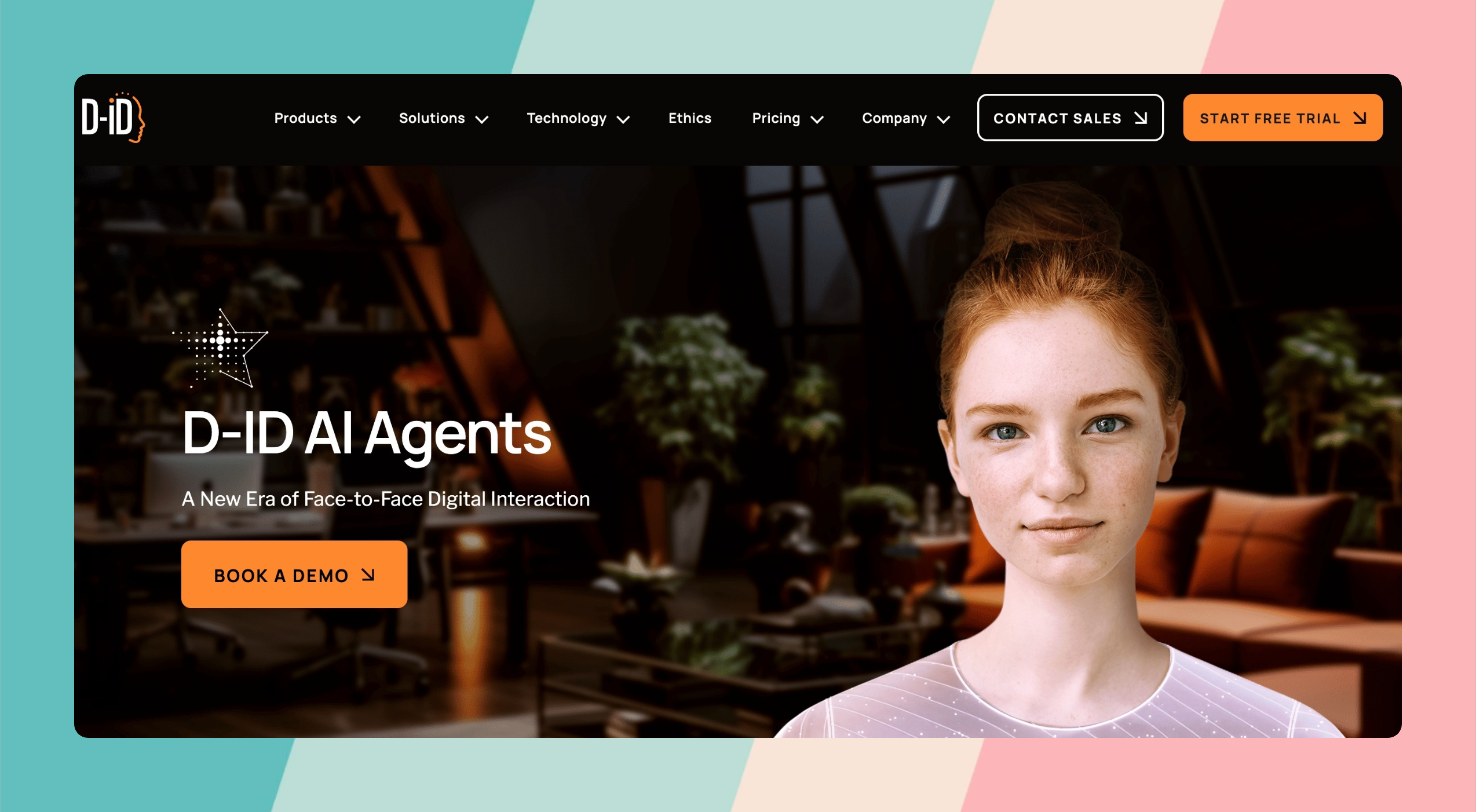
2. D-ID
Perfect for animating faces and creating talking head videos with AI-generated avatars. Often used to give life to virtual influencers or to create interactive stories.
3. Runway ML
Combines image generation, video editing, and AI animation tools in a browser-based platform. Ideal for creating reels, face swaps, and dynamic storytelling content.
4. Synthesia
A top choice for brands producing educational or promotional videos with AI avatars. Great for voiceovers, multi-language support, and studio-quality output without filming.
5. GPT-4 (via OpenAI or integrated platforms)
Used to generate captions, plan content, write comments, or create post sequences. Essential for maintaining a consistent tone of voice and brand personality at scale.
6. Make.com & Zapier
These automation platforms connect your AI tools with Instagram scheduling apps, email lists, or CRMs. They allow your content machine to run with minimal manual input.
7. Notion AI
Useful for planning, drafting, and documenting your AI model’s behavior and content strategy. Can also assist in generating prompts or post ideas.
Ethical and legal challenges you must consider
Creating and deploying AI models on Instagram opens up exciting opportunities—but also a new set of ethical and legal concerns. Navigating these issues is crucial for maintaining trust, avoiding backlash, and staying compliant.
1. Transparency and disclosure
Followers have the right to know whether they are interacting with a real person or an AI-generated entity. Failing to disclose the artificial nature of your model can damage brand credibility and spark controversy. Some countries, like the EU members under the AI Act, may soon mandate such disclosures.
2. Consent and rights of publicity
If your AI model is based on a real person’s appearance, voice, or style, you must obtain proper consent. Using likenesses without permission could lead to lawsuits based on violation of image rights or defamation.
3. Copyright and data sourcing
Ensure that the data, images, or prompts used to train or guide your AI outputs are free of copyright infringement. Scraping Instagram or using copyrighted images without licenses puts you at legal risk—even if the content is transformed by AI.
4. Deepfakes and misinformation
The line between entertainment and deception can blur quickly. Avoid creating misleading content, fake endorsements, or manipulated statements that could harm public perception or cross legal boundaries.
5. Bias and representation
AI models can unintentionally replicate societal biases present in the data they were trained on. Be intentional about diversity, cultural sensitivity, and inclusion—especially when creating avatars or narratives meant to represent real audiences.
Real-world examples of brands using AI models on Instagram
While AI-generated content might still seem futuristic, leading brands and creators are already leveraging it on Instagram with impressive results. These examples show how AI can enhance engagement, elevate storytelling, and reduce production costs.
1. Prada
Prada recently leveraged artificial intelligence to craft a series of visually arresting Instagram campaigns. By fusing algorithmic generation with high-fashion aesthetics, the brand demonstrated how AI can amplify creative direction rather than replace it. The result? Eye-catching visuals that didn’t just stop the scroll—they redefined how luxury storytelling can unfold in the feed.

2. Balmain’s digital model army
Luxury house Balmain introduced a trio of digital models to reflect diversity in a fully controllable format. The campaign showcased the brand’s creative direction while embracing innovation and inclusivity.
3. Dior Beauty’s AI content series
Dior launched a series of AI-generated makeup looks for Instagram, crafted using generative art tools. The visuals explored futuristic aesthetics while staying true to Dior’s signature elegance.
4. Influencers using AI avatars
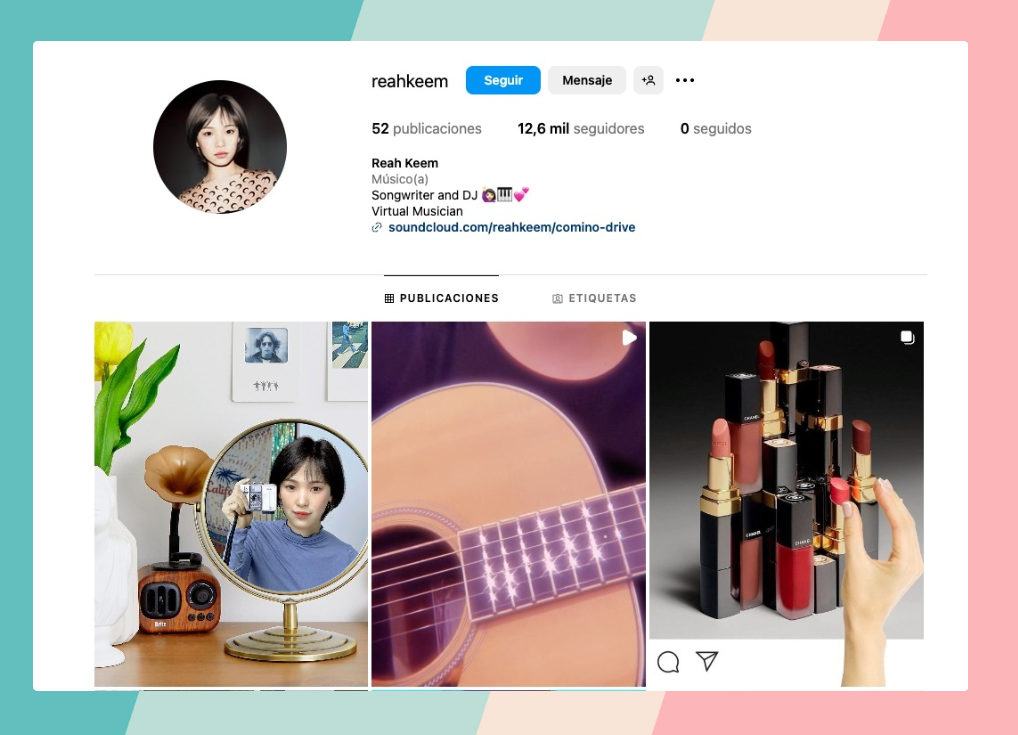
Independent creators like Kaitlyn AI and Reah Keem have built entire Instagram personas as AI-generated humans. Their posts are fully scripted, styled, and generated with tools like Midjourney and GPT—yet they interact with real audiences daily.
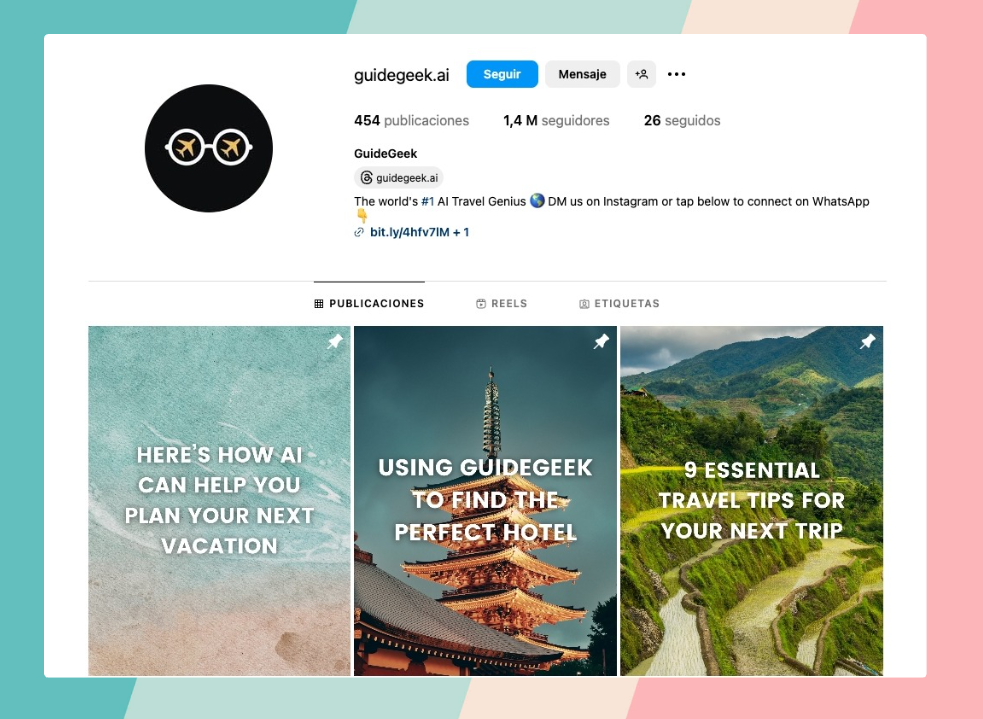
5. GuideGeek by Matador Network
GuideGeek is an AI-powered travel assistant developed by Matador Network. Accessible through Instagram DMs, it helps users plan itineraries, find travel tips, and receive personalized recommendations. By integrating directly into Instagram’s messaging platform, GuideGeek offers real-time assistance, enhancing user engagement and providing a seamless travel planning experience.
How to monetize your AI model on Instagram
Building an AI model for Instagram is not just a creative experiment—it can be a serious revenue stream. Whether you’re a brand, agency, or solo creator, there are several ways to turn your AI-powered presence into income.
1. Sponsored content and brand deals
Virtual influencers with strong engagement can attract partnerships just like human creators. Brands value the consistency, availability, and creative control that AI models provide. Even micro-AI accounts are starting to land paid collaborations.
2. Product placement and affiliate marketing
Your AI persona can recommend products, wear digital fashion, or feature brand content. Use affiliate links to monetize clicks and purchases, especially when the model builds trust and familiarity with the audience.
3. Selling digital assets or experiences
Create and sell AI-generated content packs, exclusive wallpapers, voice messages, or even NFTs linked to your model’s identity. Platforms like Gumroad or Patreon are ideal for monetizing digital-only offerings.
4. Consulting and white-label AI personas
If you master the process, you can offer custom-built AI models for clients. Agencies are beginning to offer white-label virtual influencers for events, brand storytelling, and automated content pipelines.
5. Audience subscriptions and community perks
Combine your AI model with platforms like Substack, Discord, or Ko-fi to offer exclusive content, early access, or behind-the-scenes prompts. The novelty factor can help you stand out in a crowded creator economy.
How to start small (and scale smart)
You don’t need a studio budget or advanced coding skills to launch your first AI model on Instagram. The key is to start with a minimum viable persona—just enough to test content formats, gauge engagement, and refine your strategy.
Start with templates and pre-trained models
Use ready-made avatars from platforms like D-ID or Ready Player Me. Pair them with text generation tools like GPT-4 or Notion AI to draft captions and comments. This lets you get up and running in days, not months.
Document everything
Create a style guide, brand voice reference, and prompt library for your AI model. This will help you maintain consistency and make future scaling much easier—especially if you bring in collaborators or train new models.
Automate gradually
Start by scheduling posts manually. Then integrate automation tools like Zapier or Make.com to connect your content engine with publishing platforms and analytics dashboards.
Measure impact early
Track likes, saves, DMs, and click-through rates. Compare AI-generated posts with human-made content. Use these insights to adjust the visual style, tone, or content formats.
Scale with purpose
Once you’ve validated your model, expand its capabilities: add voice, explore video, build multilingual content. Or launch a second persona targeting a different niche. Growth doesn’t need to mean complexity—just clarity.
Whether you’re building a digital influencer, automating your brand presence, or experimenting with new creative formats, now is the time to explore what’s possible with AI. With the right tools and a clear strategy, your AI model for Instagram can become more than a project—it can be a powerful asset in your digital marketing arsenal.

0 Comments