

For online stores, every interaction matters—from the moment a potential customer visits the site for the first time to when they make a purchase or abandon their cart. In this context, eliminating the need for manual intervention is crucial for e-commerce businesses to maintain consistent and relevant communication with their customers, which significantly increases the chances of making a sale.
In this article, we’ll explore how marketing automation strategies can take any e-commerce business to the next level by optimizing key processes and improving sales performance.
From personalized email campaigns to using automated triggers to recover abandoned carts, we’ll show you how to make the most of automation tools to grow your business. Plus, we’ll look at some of the top tools available and how to measure the impact of these strategies to ensure your e-commerce store keeps moving forward.
What Is Marketing Automation for E-commerce?
Marketing automation for e-commerce refers to the use of tools and software that allow businesses to manage, schedule, and personalize interactions with customers and potential buyers without manual intervention. This type of automation covers a wide range of actions—from sending personalized emails to advanced audience segmentation—all aimed at maximizing efficiency and improving marketing performance.
For an online store, it means being able to maintain continuous communication with users by offering product recommendations, sending abandoned cart reminders, and even applying automatic discounts based on customer behavior.
Key Benefits for E-commerce
Marketing automation offers a range of specific benefits for online stores. Here are some of the most important advantages:
• Time-saving: By automating repetitive tasks like email campaigns or customer segmentation, marketing teams can focus on more strategic and creative efforts.
• Greater personalization: Automation makes it possible to send highly tailored messages based on user behavior, past purchases, or preferences—increasing the chances of conversion.
• Improved user experience: Interacting with customers at the right moment and with the right content creates a smoother, more engaging shopping experience.
• Conversion rate optimization: Automation enables more precise follow-ups and timely offers, such as cart abandonment reminders or exclusive deals during the checkout process.
Examples of Marketing Automation in Action
To better understand how e-commerce marketing automation works, here are a few real-world examples:
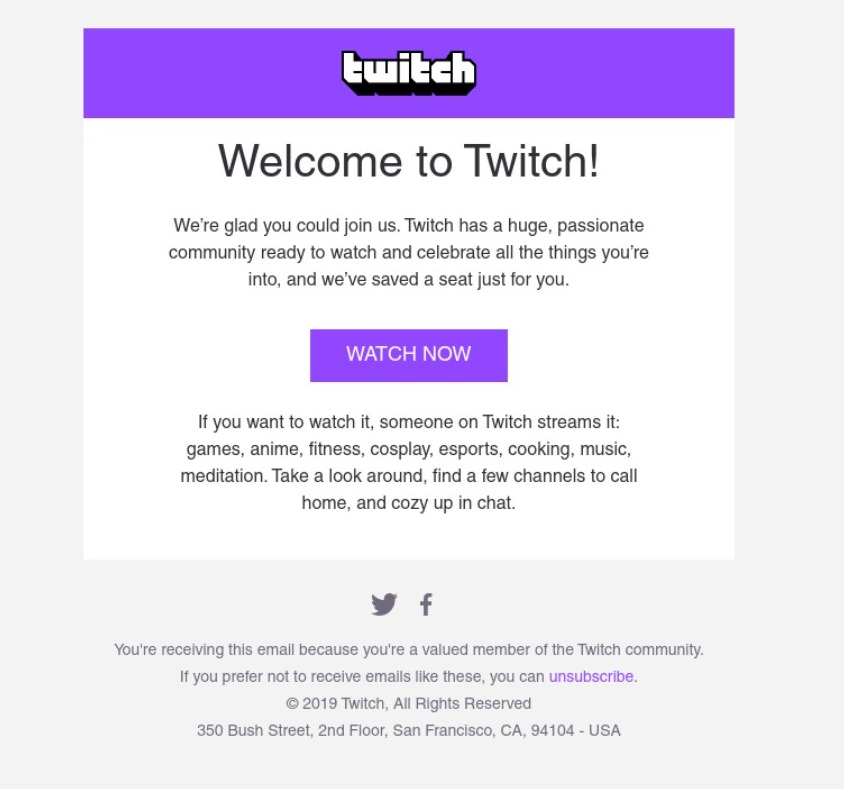
• Welcome Emails: As soon as someone subscribes, they automatically receive a welcome email with personalized content or an exclusive discount for their first purchase.
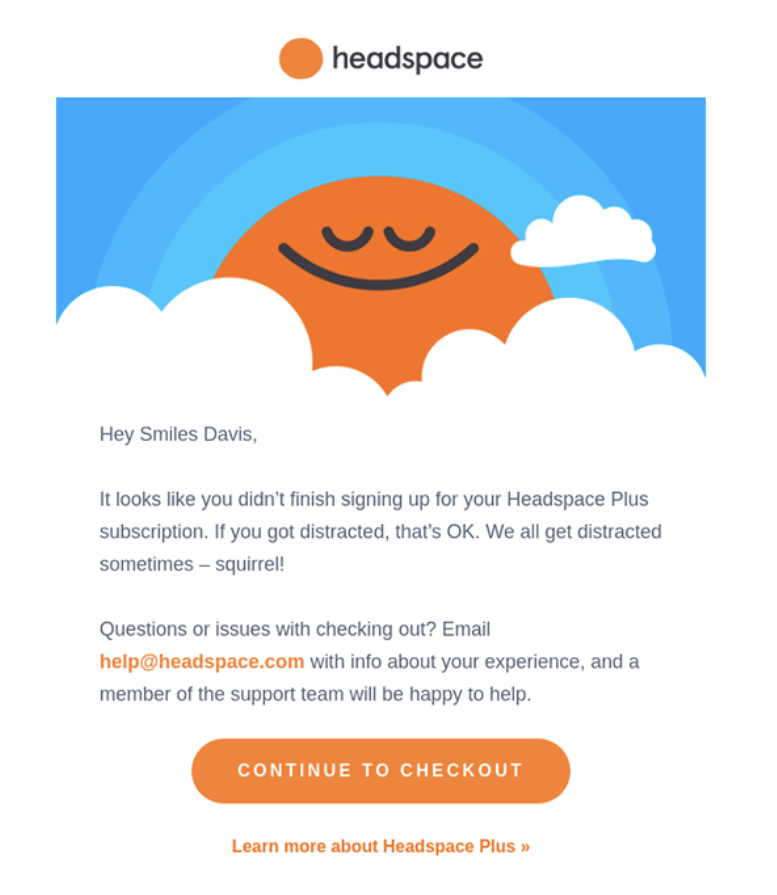
Abandoned Cart Reminders: If a customer adds products to their cart but doesn’t complete the purchase, an automatic reminder is sent to their email, encouraging them to return and finish the transaction—often with an incentive like a discount or free shipping.
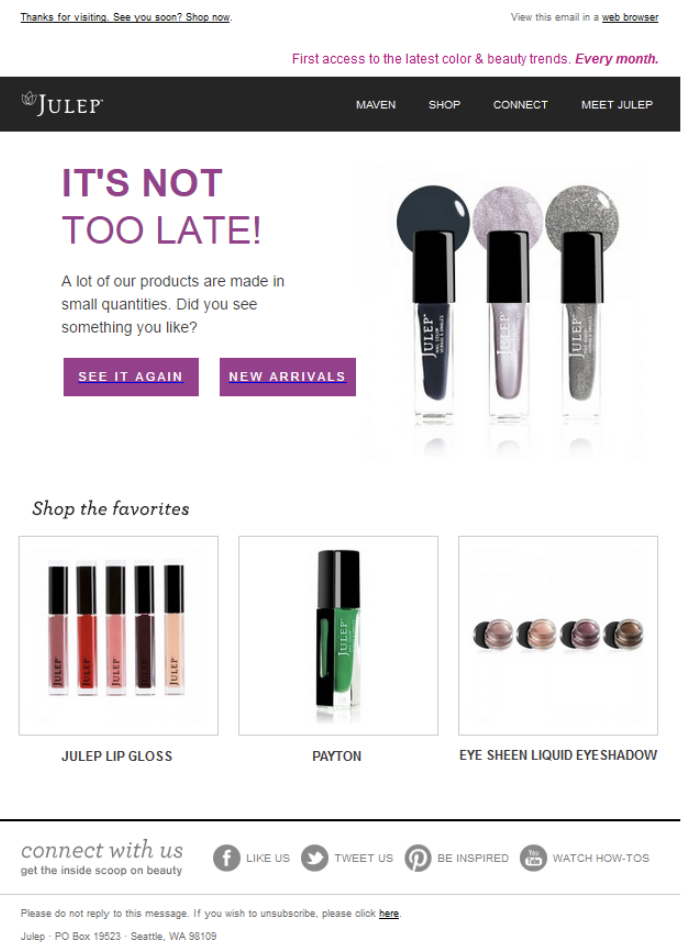
Personalized Recommendations: Based on previous purchases or browsed products, e-commerce stores can send customized product suggestions to each customer, increasing the likelihood of upselling and additional sales.
Marketing Automation Strategies to Boost Conversions
Automation doesn’t just save time and resources—it also enables more effective strategies to increase conversions in an e-commerce business. Below are some of the most impactful tactics to help you make the most of this powerful tool.
Email Segmentation and Personalization
One of the most powerful strategies in marketing automation is segmentation. Instead of sending generic emails to your entire database, segmentation allows you to divide your customers into specific groups based on their behavior, purchase history, or preferences.
How does segmentation work?
Online stores can use automation software to group customers based on criteria like purchase frequency, average order value, or on-site behavior (pages viewed, time spent, etc.).
By sending personalized emails based on this data, you can build a more meaningful connection with your audience—increasing the chances they’ll open your email, click the link, and complete a purchase.
Abandoned Cart Email Automation
Cart abandonment is one of the most common challenges in e-commerce—but also one of the biggest opportunities to boost conversions. Setting up a series of automated emails to remind customers about the products they left behind can make a significant impact.
Strategy to Recover Abandoned Carts:
• First Reminder: Send an automatic email a few hours after the cart is abandoned, gently reminding the customer of the items they left behind.
• Second Reminder: If there’s no response, follow up one or two days later with an added incentive, such as a discount or free shipping.
• Third Reminder: Create a sense of urgency by letting the customer know that the products in their cart might sell out soon, or that the offer is about to expire.
With to the next level with our Instagram, Twitter, and LinkedIn content plans
Automated Offers and Promotions
Personalized promotions are another highly effective marketing automation tactic. You can set up automated triggers that activate specific offers when a customer performs certain actions—like reaching a spending threshold or repeatedly visiting a product category.
Examples of Automated Offers:
• Discounts for Repeat Customers: Send a special offer when a customer makes their third purchase—for example, 10% off their next order.
• Birthday Promotions: Set up a trigger so that each year, on the customer’s birthday, they receive an automated email with a personalized offer. This not only boosts sales but also strengthens brand loyalty.
These strategies ensure that potential customers receive relevant content at every stage of the funnel, increasing the likelihood of conversion—without overwhelming your marketing team.
Success Stories: How Marketing Automation Can Boost E-commerce Conversions
To better understand how automation can drive conversions in an e-commerce setting, here are a few real-world examples that demonstrate the positive impact these strategies can have across different types of online stores.
Example 1: A Fashion Store Improves Cart Recovery Rates
Imagine a young fashion e-commerce brand that implements an automated strategy to recover abandoned carts. Before using automation, the store had a cart recovery rate of just 5%. After launching a sequence of automated emails, that rate rose to 15% within three months.
The strategy included:
• A first reminder email sent a few hours after the customer abandoned their cart.
• If there was no response, a second email followed with an incentive—such as 10% off to complete the purchase.
• Finally, a third automated email created a sense of urgency, warning the customer that the items could soon sell out.
What Can We Learn from This Example?
• Automation enables timely, consistent follow-up without manual intervention, maximizing the chance to recover lost sales.
• Incentives like discounts, combined with a staggered email sequence, significantly boost the likelihood of conversion.
Example 2: An Electronics E-commerce Boosts Sales with Personalized Recommendations
An online electronics store decides to implement a marketing automation strategy that recommends complementary products based on each customer’s purchase and browsing history. For instance, if a customer buys a laptop, the system automatically sends an email suggesting accessories like laptop sleeves, mice, or headphones.
As a result of this strategy, the store increased complementary product sales by 20%, raising the average order value—all without any manual effort from the sales team.
What Can We Learn from This Example?
• Behavior-based product recommendations boost cart value and encourage cross-selling.
• Personalized suggestions enhance the customer experience, increasing both satisfaction and brand loyalty.
Example 3: A Subscription-Based E-commerce Improves Customer Retention
Imagine a beauty subscription business that uses marketing automation to manage customer renewals. Before a subscription is about to expire, customers automatically receive an email reminding them to renew—often with a special discount to encourage them to stay. If a customer doesn’t renew in time, a series of follow-up emails with increasing incentives is sent to win them back.
Thanks to this automated strategy, the business increased its retention rate by 30%, significantly reducing customer churn and maintaining a steady flow of recurring revenue.
What Can We Learn from This Example?
• Automation is essential in subscription-based business models, allowing for seamless management of renewals and customer retention without manual intervention.
• Automatic reminders and discounts help reduce cancellations and keep customers loyal.
Conclusion
Marketing automation for e-commerce isn’t just a passing trend—it’s like that tireless assistant everyone dreams of: works non-stop, always responds on time, and never forgets to send out those crucial 3 a.m. emails.
If you’re looking to increase conversions, save time, and keep your customers happy, automation is the key you’ve been searching for.
Whether it’s recovering those abandoned carts (that could seriously save your monthly numbers), or sending personalized recommendations that make your customers feel like VIPs, marketing automation is your best ally. And the best part? It not only boosts your sales—it gives you some extra time to… well, do whatever you want.
So if you haven’t implemented it yet, now’s the time to take the leap. While others are busy putting out fires manually, you’ll be automating your way to success—coffee in hand and conversions on the rise. ☕🚀

0 Comments